California families can report nursing home abuse to the Long-Term Care Ombudsman (1-800-231-4024), the California Department of Public Health for skilled nursing homes, CDSS Community Care Licensing for assisted living facilities, or Adult Protective Services for in-home neglect. Because state investigations only discipline a facility's license and never compensate the resident, preserving records early is critical to any civil EADACPA claim.
Compensatory wrongful death settlement proceeds are generally excluded from federal and California income tax under IRC section 104(a)(2) and California Revenue and Taxation Code section 17131. However, punitive damages, pre- or post-judgment interest, investment earnings, and survival-action allocations follow distinct tax and estate rules.
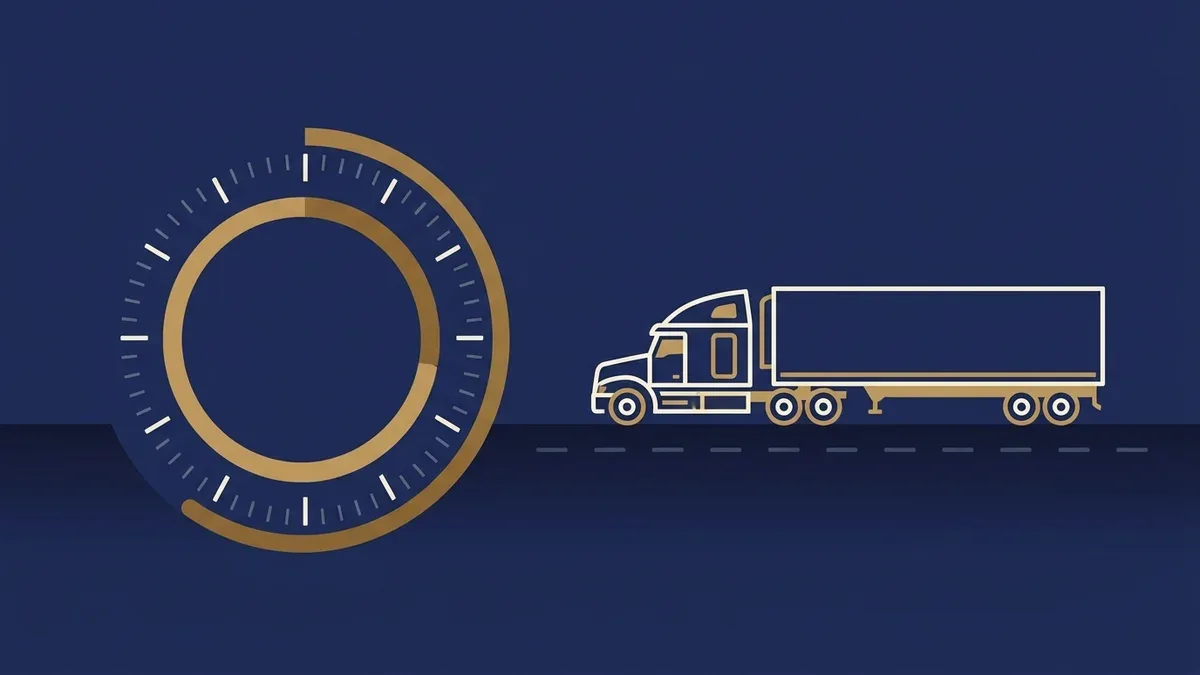
Federal 49 CFR Part 395 Hours of Service rules cap interstate truckers at 11 driving hours inside a 14-hour shift after 10 hours off duty, while California intrastate rules under 13 CCR § 1212.5 allow 12 hours in 16. When carriers push drivers past safe limits or falsify ELD logs, those violations establish negligence per se and expose motor carriers and freight brokers to liability.
Report an active highway threat to 911 or CHP, and file past federal safety violations with the FMCSA National Consumer Complaint Database (NCCDB) or DOT OIG Hotline. California motorists can also check carrier out-of-service records on SAFER and SMS, though a regulatory complaint never replaces fast civil evidence preservation after a crash.
High-volume surface-street intersections across Santa Ana, Anaheim, Irvine, Huntington Beach, and Tustin produce severe left-turn, red-light, and crosswalk collisions. California right-of-way statutes and rapid preservation of nearby video, signal timing logs, and collision reports protect injured victims' claims.
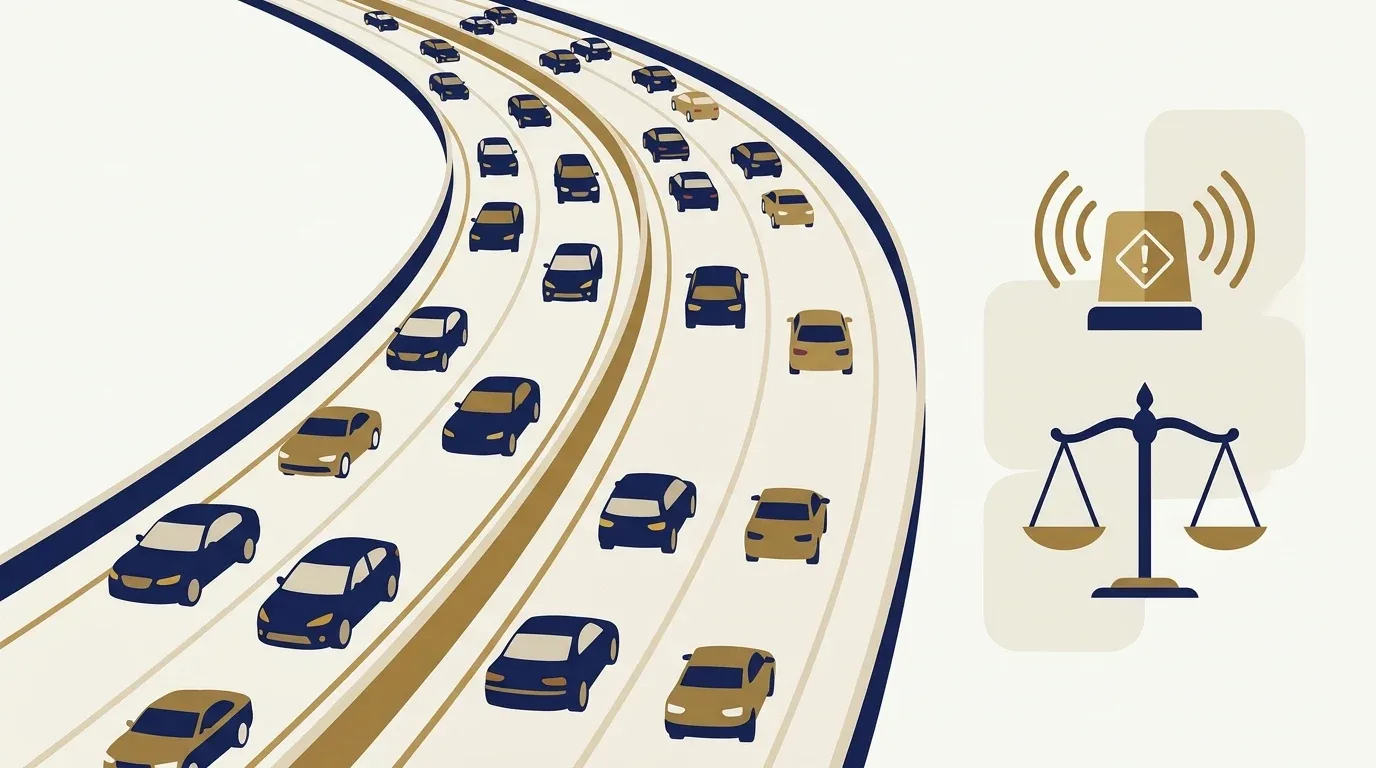
Orange County traffic creates unpredictable stop-and-go waves where tailgating, sudden merges, and distracted driving trigger severe commuter crashes. Learn what a CHP SigAlert means, how California OTS crash rankings measure local risk, and how pure comparative fault protects injured drivers.
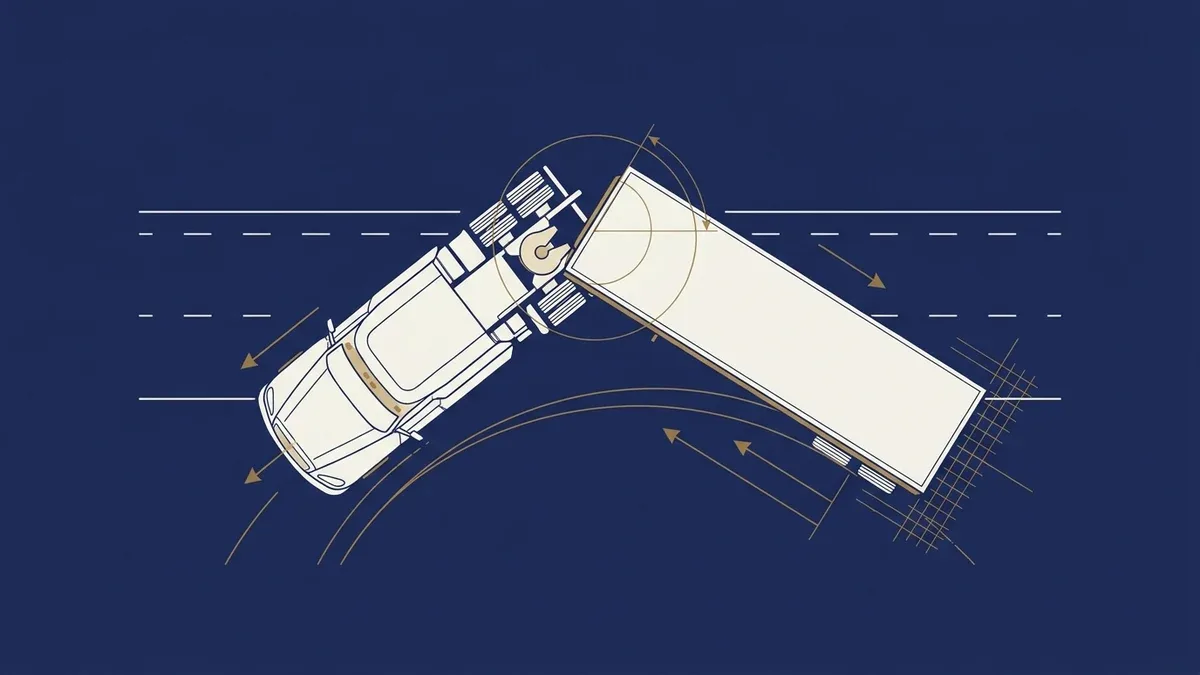
A commercial truck jackknifes when its tractor drive wheels or trailer brakes lock up and the trailer's forward momentum swings it sideways toward the cab at an acute angle. Federal FMCSA brake, speed, cargo, and inspection rules determine who is at fault, and crash victims must act quickly to preserve black-box and maintenance records.
California premises liability law holds property owners, landlords, and businesses to a single standard of ordinary care under Civil Code section 1714 and Rowland v. Christian. Proving a claim turns on control, actual or constructive notice under CACI No. 1003, pure comparative fault, and strict filing deadlines.
A signed car accident settlement agreement permanently closes your injury claim in exchange for a negotiated payout. Before signing an insurer's release or a Civil Code § 1542 waiver, California crash victims should verify future medical needs, statutory lien reductions, and payout structure.
Orange County's highway network carries heavy commuter and freight traffic along I-5, I-405, SR-55, SR-91, SR-22, and Pacific Coast Highway (SR-1), alongside tolled corridors such as SR-73. Complex weaves at the Orange Crush and El Toro Y create high-speed collision risks, and California law enforces strict 24-hour CHP, 10-day DMV SR-1, and six-month government claim deadlines.
How roadside field sobriety tests, chemical BAC records, and CHP collision reports help injured California crash victims prove negligence per se and pursue full civil compensation against an impaired driver.
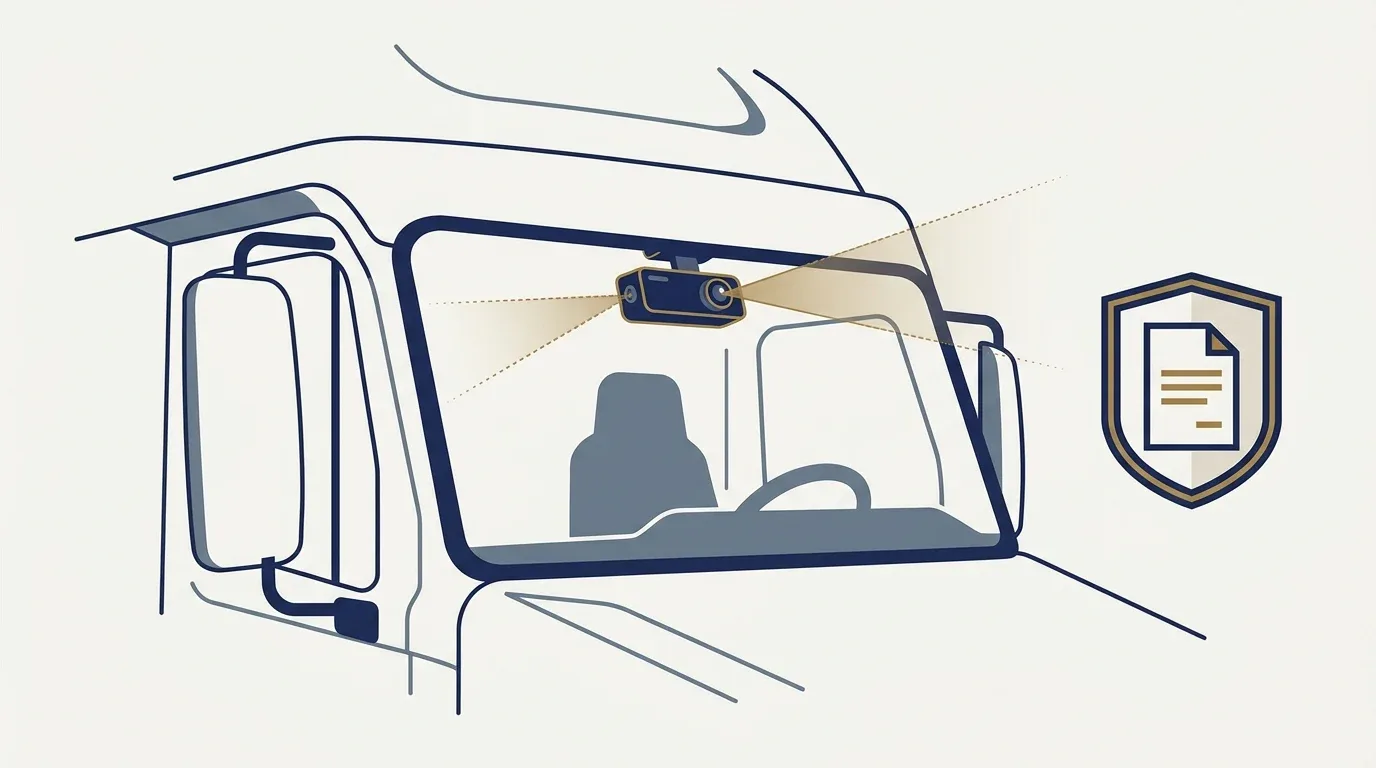
Many trucking companies resist inward-facing cab cameras due to driver retention backlash, California audio and event-recording limits, hardware costs, and the risk of creating undeniable video proof of distraction or fatigue. Because fleet dashcams often store short triggered clips or loop over footage quickly, California crash victims should send a preservation demand before critical video disappears.
Stimulants, marijuana, opioids, and sedating over-the-counter sleep aids are the substances most frequently flagged in commercial trucking crashes and federal DOT testing. Federal 49 CFR Part 382 rules set strict testing windows—8 hours for alcohol and 32 hours for controlled substances—making prompt post-crash evidence preservation critical for injured California motorists.
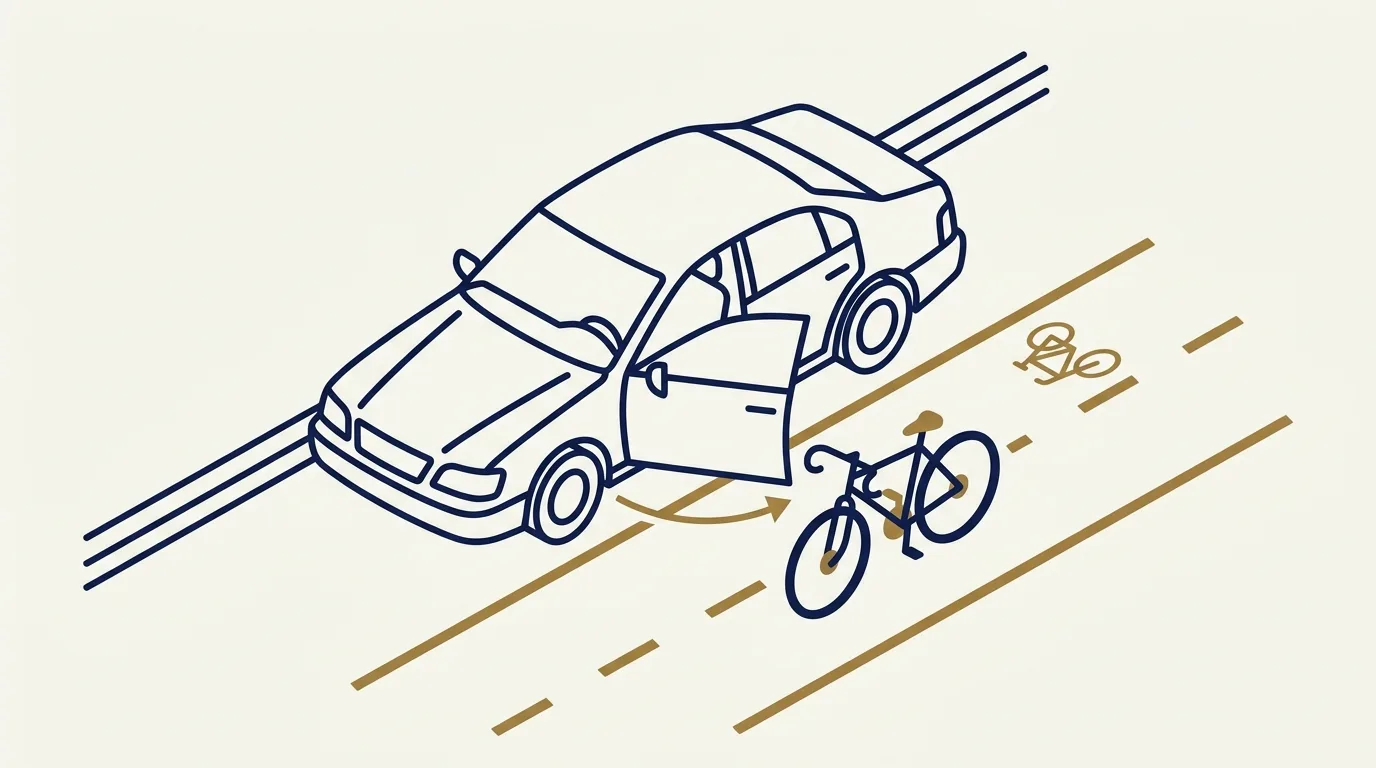
A door opens into the lane or the bike lane and a rider has nowhere to go. California requires that door to be opened only when it is safe. Fault is about the door, not about whether the rider was wearing a helmet.
A dog does not need a history of biting for the owner to be responsible under California's statute. Trespass, provocation, and a knock-down that was not a bite are the arguments you will hear.
A concussion is a brain injury from the crash, not a stiff neck and not a mood. Symptoms are easy to leave off the first chart. That chart is what the claim uses later.
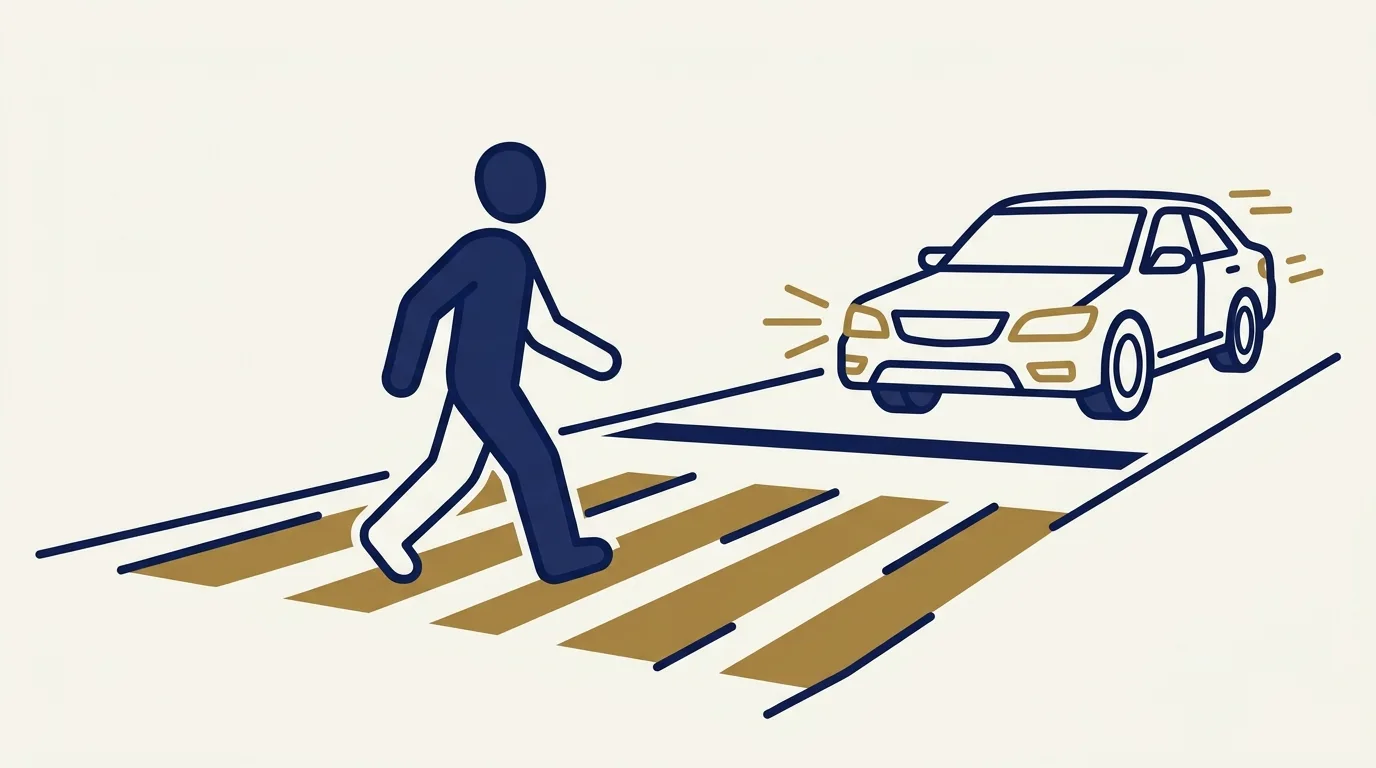
Paint is not the only crosswalk. A driver has to yield, and a person crossing still has to use care. Sharing fault reduces a California claim. It does not automatically end it.
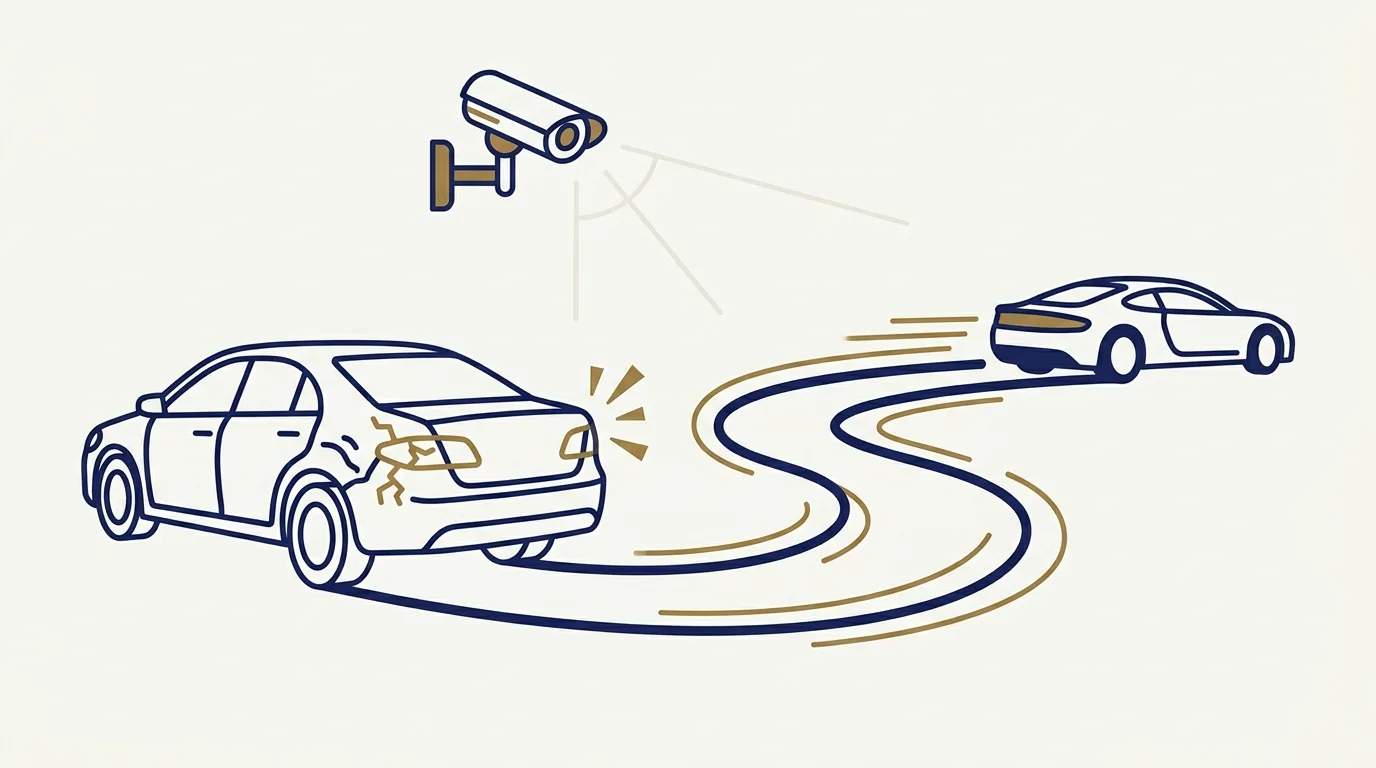
The other driver left. You still stop, you still get care, and you still report. Finding the driver and opening an uninsured-motorist claim are two different jobs, and neither one is the criminal case.
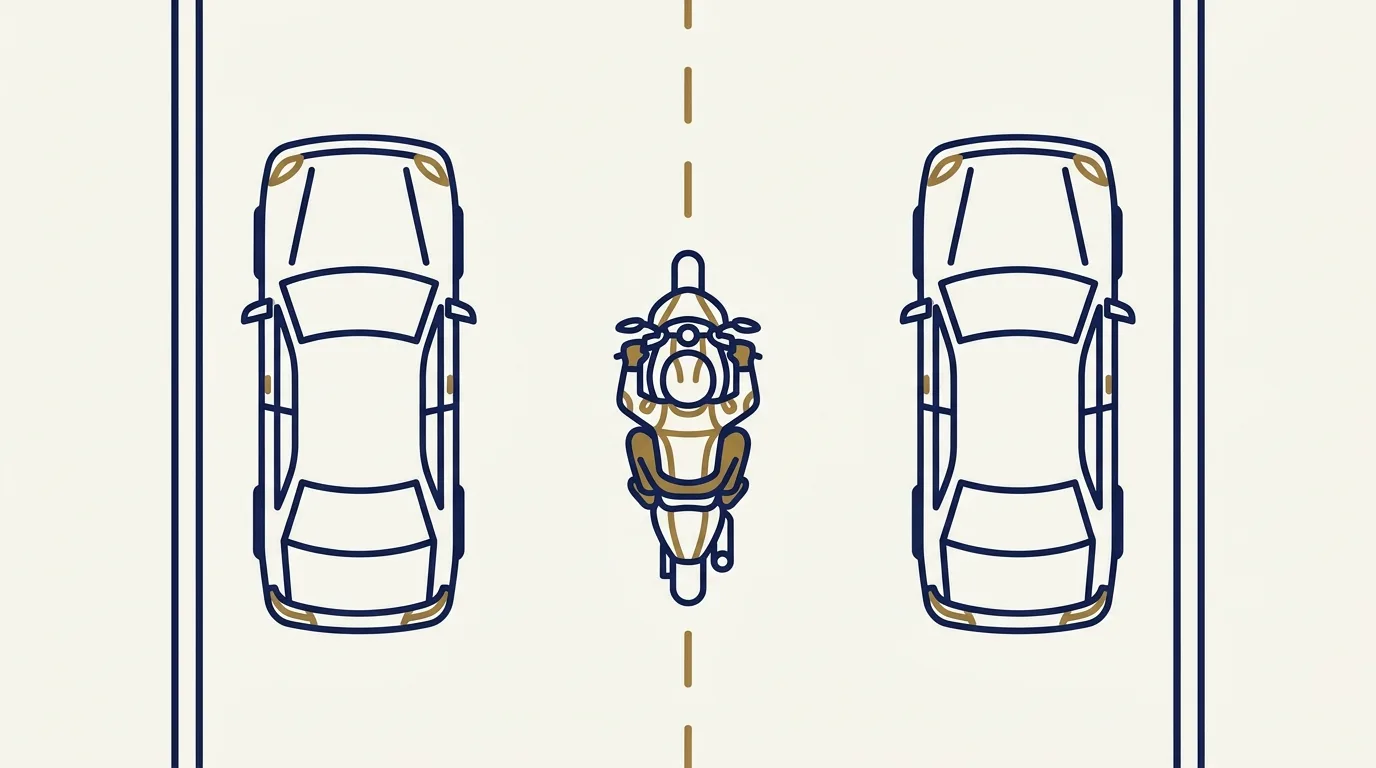
California lets a motorcyclist ride between lanes of traffic. A crash while doing it is still a fault case. The Highway Patrol's tips are guidance. They are not the percentage.
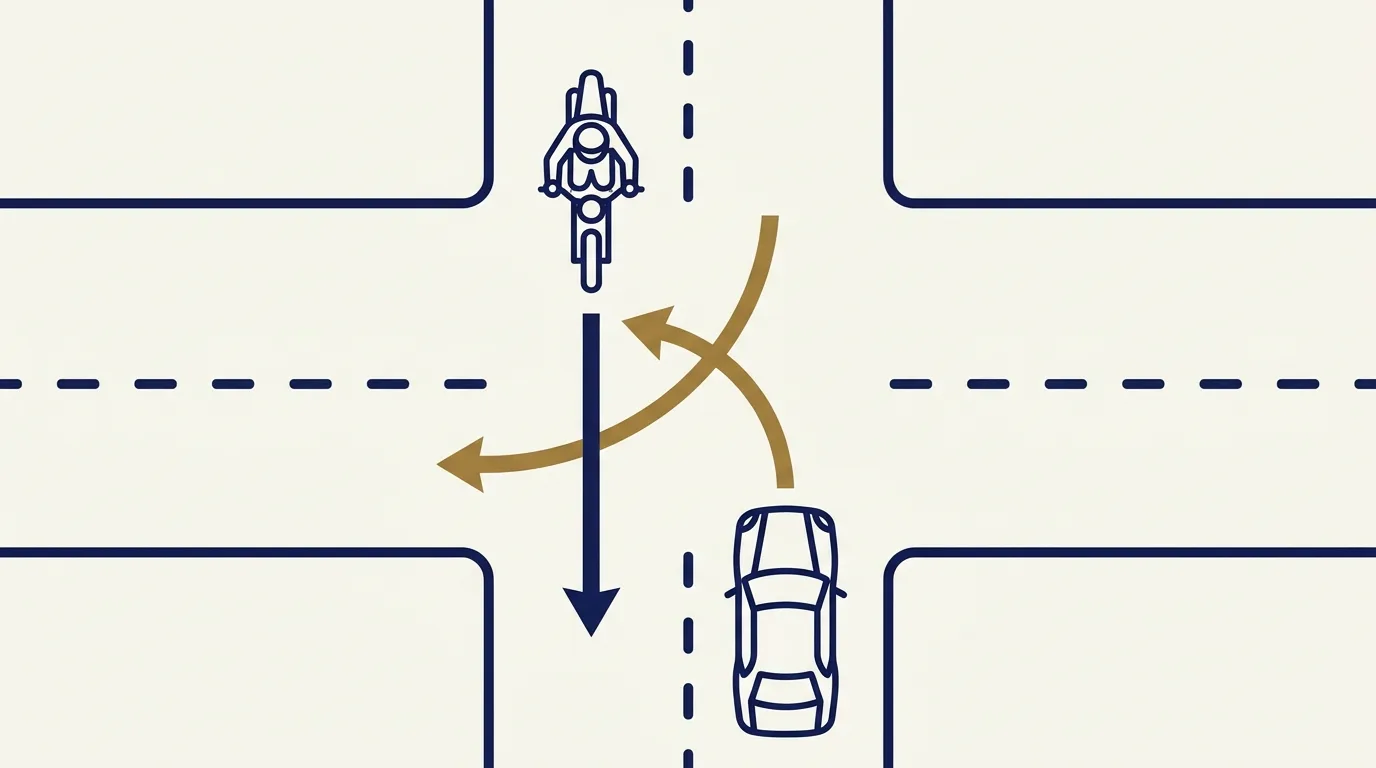
The car turns across the rider's path. The statute puts the yield on the turning driver. Insurers still argue speed, a dark bike, or a light. Those facts share fault. They do not automatically end the claim.
Financial elder abuse is property taken for a wrongful use, by fraud, or by undue influence. The signs are in the accounts and the paperwork, not only in a bruise. A report does not preserve the civil claim by itself.
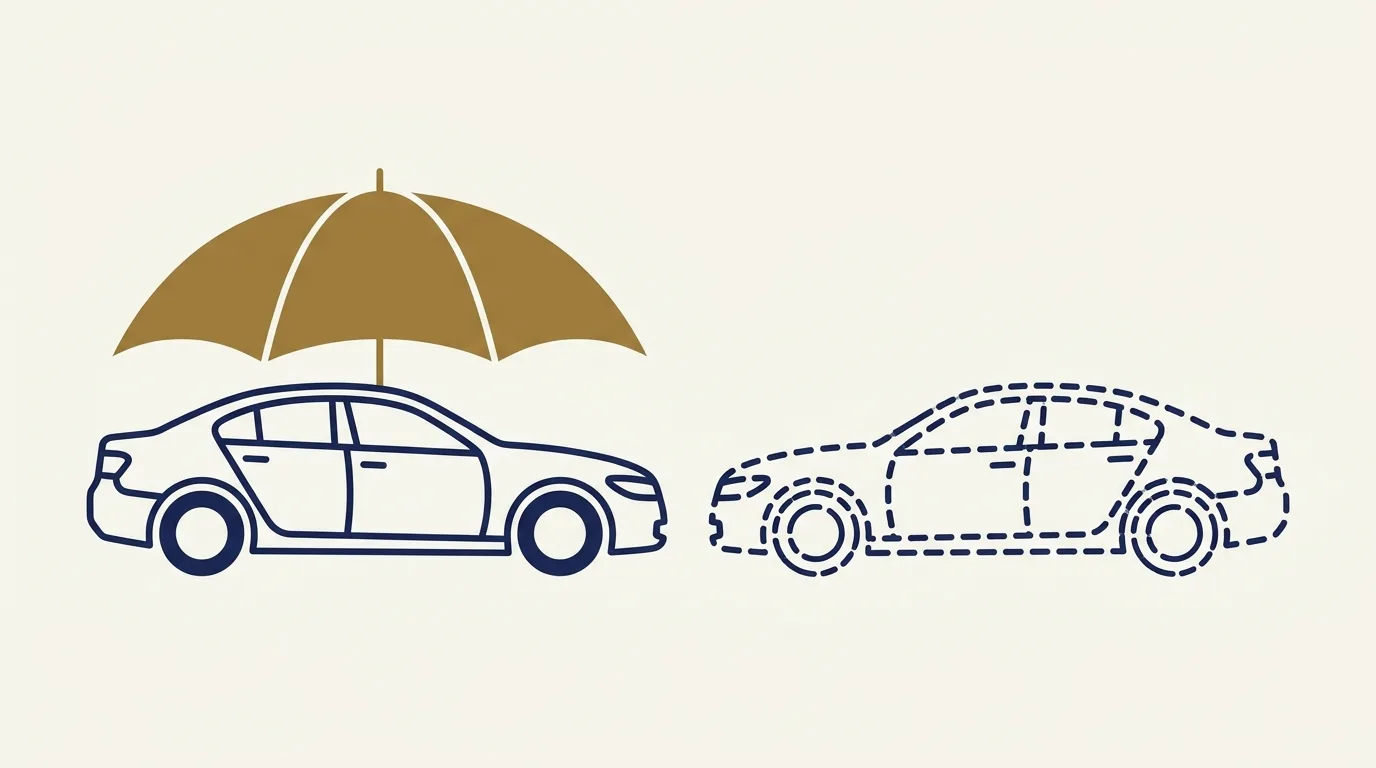
When the other driver has no liability insurance, the claim often turns to your own policy. A written waiver, a limits dispute, or a driver who was never found changes which coverage applies.
There is no chart and no average. The heirs' claim is the support and the care the family lost, plus funeral costs. The decedent's own pain belongs to a different case, brought by the estate.
Most California injury lawsuits must be filed within two years. A claim against a city or other public agency is shorter, and a child's claim is not automatically the same date as an adult's.
A commercial truck records more than a passenger car, and much of it is overwritten on the carrier's schedule. Engine data, electronic logs, and drug-test timing are why the first days matter.
California uses pure comparative fault. An insurer can argue you share blame for a crash and still owe the percentage a jury would assign to the other driver.
Neglect is the failure to provide the care a reasonable caregiver would provide. Pressure injuries, dehydration, repeated falls, and a chart that does not match what you see are reasons to ask questions and preserve records.
Whiplash is a neck injury from a sudden jolt, often a rear-end crash. Symptoms can wait a day. The medical chart, not the size of the dent, is what the claim rests on.
Not every grieving relative is a plaintiff. California names who may bring a wrongful death case, requires the heirs to proceed together, and treats the estate's claim for the decedent's own losses as a separate lawsuit.
From landmark single-victim jury verdicts to multi-billion-dollar safety settlements, these 12 historic US personal injury cases show how corporate negligence, documented lifetime harm, and trial readiness drive accountability.
A bicycle rider has no steel frame or airbag. When a driver turns across a bike lane or opens a door, these are the injuries that shape the medical recovery and the legal claim.
National lists of massive verdicts do not tell you what a case is worth. A serious recovery rests on four things working together: disputed liability proved through evidence, documented lifetime harm, available coverage, and a lawyer ready to pick a jury.